

Homecoming Cookout Season: How to Feed a Whole Crowd Without Burning Through Your Charcoal
How do you keep burgers, wings, sausages, and smoked favorites coming at a packed homecoming tailgate without constantly stopping to add more charcoal?
The answer starts with a better plan, and a more efficient fuel.
Homecoming cookouts bring together alumni, students, families, local cooks, and community grill masters. That means bigger crowds, longer cooking windows, and more pressure on the grill. The right charcoal can help you cook in waves, hold steady heat, reduce cleanup, and spend less time managing the fire.
Nakia Coco Charcoal is made from recycled coconut shells and burns up to 3x longer than traditional wood charcoal. It produces less ash, delivers consistent heat, and works with charcoal grills, smokers, and portable grills. For a busy tailgate, those practical advantages add up quickly.
1. Plan the Cookout Before You Light the Grill
A successful homecoming cookout is less about cooking everything at once and more about creating a smooth rotation.
Start by dividing your menu into three groups:
- Fast-cooking foods: hot dogs, burgers, sausages, veggie skewers, and thin chicken pieces
- Medium-cooking foods: wings, chicken thighs, pork chops, and thicker burgers
- Slow-cooking foods: ribs, pulled pork, brisket, whole chicken, and smoked vegetables
Cook the foods that need the most time first. While they cook indirectly or in the smoker, you can prepare faster items over direct heat later.
For a large crowd, consider a menu that includes:
- Burgers and hot dogs for quick service
- Chicken wings or thighs for a heartier option
- Sausages or plant-based links for variety
- Corn, peppers, onions, and other grilled vegetables
- A few make-ahead sides so the grill remains focused on the main food
This approach keeps the line moving and prevents your fire from being overwhelmed by too many different cooking temperatures.
For more charcoal planning guidance, review Nakia Coco’s tips for maximizing your grill with coconut charcoal.
2. Build Two Heat Zones for Faster, More Controlled Cooking
A two-zone grill gives you a hot side and a cooler side. This is one of the most useful grilling with charcoal tips for feeding a crowd.
Place most of the lit charcoal on one side of the grill. Leave the other side with little or no charcoal. The hot side gives you direct heat for searing and quick cooking. The cooler side provides indirect heat for finishing food, holding cooked portions, or managing flare-ups.
Use the zones this way:
- Direct heat: Sear burgers, brown sausages, crisp chicken skin, and grill vegetables.
- Indirect heat: Finish thicker chicken, warm food gently, or cook items that need more time.
- Holding zone: Move finished food away from the flame while the next batch cooks.
When the grill gets busy, this setup gives you flexibility. You can sear a burger over the hot coals, then move it to the cooler side if the outside is done before the center. You can also move chicken away from direct flames if the fat begins to flare.
Nakia Coco Charcoal’s consistent heat makes this arrangement easier to manage. Instead of chasing sudden temperature swings, you can focus on the food and the people waiting to enjoy it.

3. Use a Long-Burning Charcoal Strategy
The best charcoal for smoking and long tailgate sessions should burn steadily without demanding constant attention. Coconut charcoal is well suited for this job because its dense fuel burns longer and maintains dependable heat.
For an extended cook, try one of these setups:
The layered method
Place unlit coconut charcoal in your fire area, then add a smaller amount of fully lit charcoal on top. The lit pieces gradually ignite the unlit fuel below and around them. This helps stretch your burn and reduces the need to add a large amount of fresh charcoal all at once.
The two-zone reserve
Place lit charcoal on one side and keep a reserve of unlit charcoal nearby. As the first section begins to lose heat, move or add a small amount of fresh fuel. This gives you more control than dumping a full load onto an active fire.
The slow-burning line
For a smoker or covered grill, arrange unlit charcoal in a curved line or narrow trail and place a small number of lit pieces at one end. The fire will move gradually along the line, creating a longer, slower burn.
Always follow your grill manufacturer’s instructions and allow your charcoal to become hot before cooking. A chimney starter or natural fire starter can help you light the fuel without adding lighter-fluid odors to your food.

Because Nakia Coco Charcoal burns up to 3x longer than traditional wood charcoal, you can cook more rounds before needing a refill. That matters when the tailgate stretches from pregame through halftime.
4. Keep the Heat Steady Instead of Burning Through Fuel
Charcoal burns faster when it receives more oxygen. Use your grill vents as the fire’s control system.
- Open the vents fully when starting the charcoal.
- Once the grill is hot, adjust the vents gradually.
- More airflow creates a hotter, faster-burning fire.
- Less airflow slows the burn and lowers the temperature.
- Keep the lid closed when possible to retain heat and improve efficiency.
Avoid making constant, dramatic vent adjustments. Change one vent slightly, wait several minutes, and watch how the temperature responds.
You should also resist lifting the lid every few minutes. Each time you open it, heat escapes and oxygen rushes in. That can make the charcoal burn faster while extending the cooking time.
For a big homecoming crowd, the goal is not maximum heat at every moment. The goal is usable heat that lasts.
5. Cook in Waves and Create a Serving System
A crowd cookout runs better when the grill master separates cooking from serving.
Set up a simple flow:
- Raw food stays in a cooler and comes out in manageable batches.
- Food goes onto the direct-heat side for searing.
- Thicker items move to indirect heat to finish.
- Cooked food goes into covered pans or clean serving trays.
- The next raw batch enters only after the cooking space is ready.
Use separate utensils and trays for raw and cooked food. Keep hot food hot and cold food cold, especially when you are cooking outdoors for several hours.
A covered aluminum pan can help hold finished burgers, sausages, and chicken away from direct flames. Do not place food directly over active charcoal if you are only trying to keep it warm. That will dry it out or burn the exterior.
Less ash also makes a difference during a long cook. Excess ash can restrict airflow and create more cleanup. Nakia Coco Charcoal produces less ash than traditional wood charcoal, helping you maintain a cleaner grill surface and a more manageable fire.

6. Why Coconut Charcoal Fits Homecoming Season
Traditional wood charcoal remains popular for several reasons. It is widely available, can produce strong heat, and may deliver a pronounced smoky flavor. Lump charcoal also heats quickly and works well for short grilling sessions.
However, a large homecoming cookout demands more than quick heat. You need fuel that can support a long event with fewer interruptions.
Compared with standard wood charcoal, coconut charcoal offers practical benefits:
- Longer burn time: Cook more batches before refueling.
- Consistent heat: Maintain more predictable cooking temperatures.
- Less ash: Spend less time clearing the grill.
- Clean, subtle flavor: Let the natural taste of your food stand out.
- Sustainable sourcing: Repurposes coconut shells that might otherwise become waste.
- Versatility: Works with charcoal grills, smokers, and portable grills.
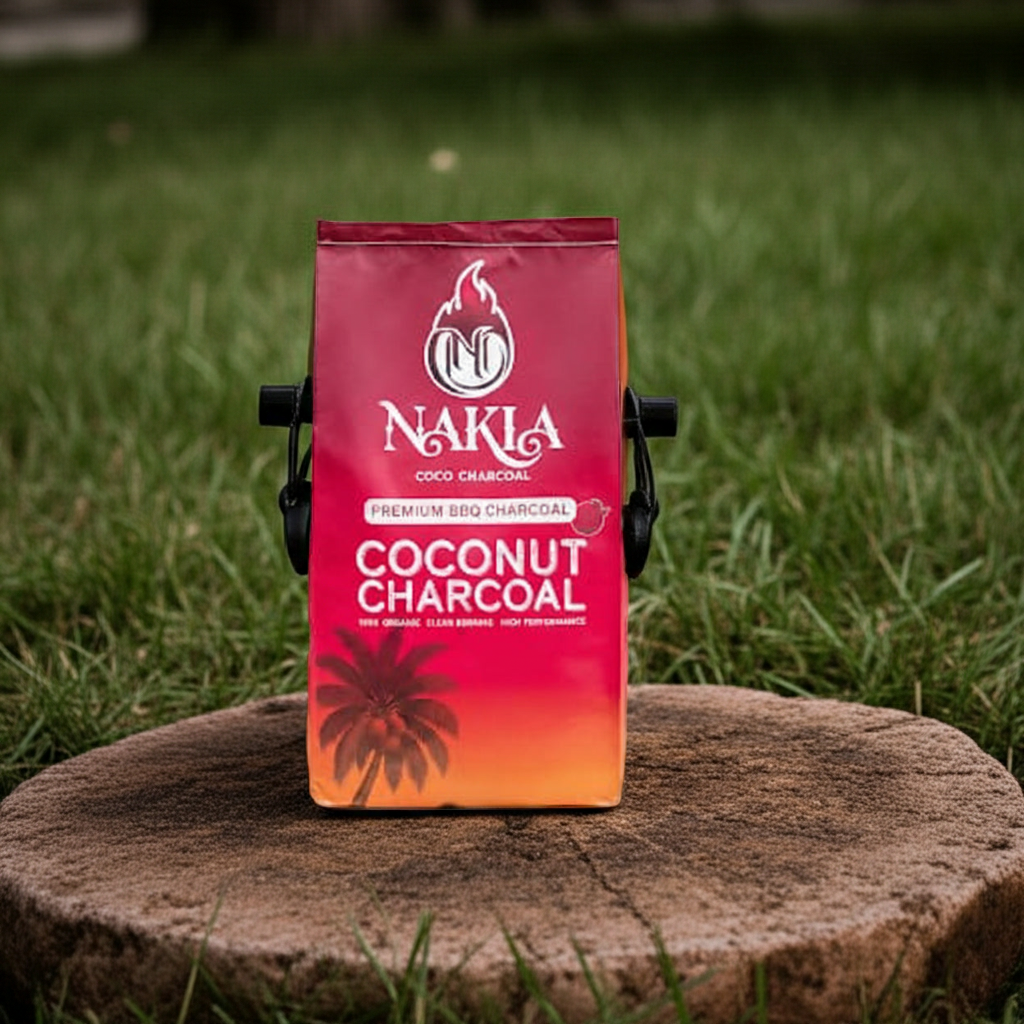
Nakia Coco Charcoal is available in an 8KG bag for $24.99. If you are feeding a particularly large group or running more than one grill, the 8KG twin pack with 16KG total charcoal can help you prepare for a longer cooking schedule.
To learn more about the difference between fuel options, read Coconut Charcoal vs. Wood Charcoal: Which Is Better for Your Grill?.

7. Homecoming Cookout Crowd-Feeding Checklist
Use this checklist before you leave for the tailgate:
Fuel and fire
- Nakia Coco Charcoal
- Chimney starter or natural fire starters
- Long-handled tongs
- Heat-resistant gloves
- Grill thermometer
- Long-handled spatula and grill brush
- Small amount of extra charcoal for refueling
Food preparation
- Burgers, sausages, chicken, vegetables, or smoked meats
- Buns, wraps, sauces, and toppings
- Aluminum pans for holding cooked food
- Separate trays for raw and cooked ingredients
- Foil and food-safe storage containers
- Ice and coolers for perishable foods
Tailgate setup
- Stable, level location for the grill
- Folding table for prep and serving
- Trash bags and paper towels
- Hand sanitizer or a portable handwashing setup
- Serving utensils
- Water for cleanup and safe flare-up management
- A safe plan for disposing of completely cooled ash
Never use charcoal indoors, inside a vehicle, or beneath an enclosed tent. Keep the grill away from foot traffic, vehicles, tents, and flammable materials. Allow all charcoal and ash to cool completely before disposal.
8. Fire Up the Homecoming Cookout the Smarter Way

Homecoming is about more than feeding people. It is the conversations around the grill, the alumni stories, the team spirit, and the neighbors who stop by for one more plate.
A longer-burning, lower-ash fuel helps you stay in that moment instead of constantly rebuilding the fire. With Nakia Coco Charcoal, you get steady heat, fewer interruptions, and a cleaner way to keep the grill working from the first guest to the last serving.
So load the cooler, bring the big serving trays, and set up those heat zones.
More plates. Less ash. Longer fire. Let’s get this homecoming cookout hot.
Shop Nakia Coco Charcoal and bring a cleaner, longer-lasting fire to your next tailgate.